
Climate Technologies
Thermal Management solutions
Li-ion Thermal Management
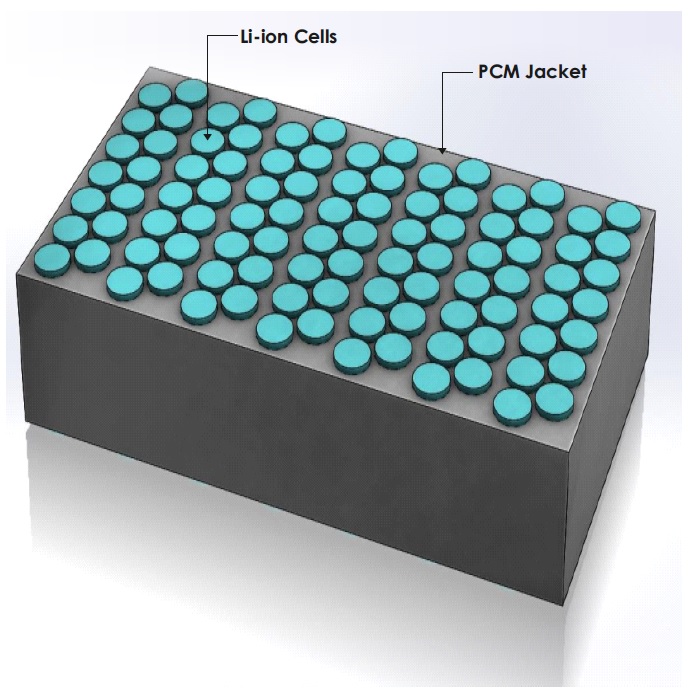
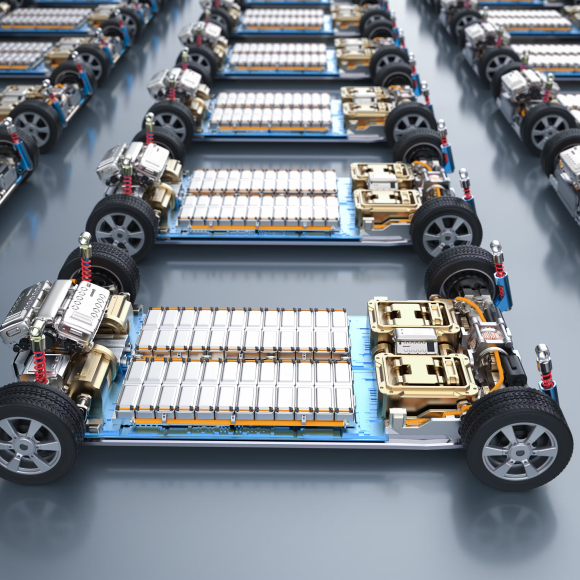
Lithium-ion batteries in EV’s Lithium-ion batteries are widely used in Electric 2, 3 and 4-wheeler vehicles with varied power capacities ranging from 1 kWh – 5 kWh for 2-wheelers and more than 5kWh for 3-wheelers. Since the electrochemistry of Li-Ion batteries are temperature sensitive, an improper control of thermal conditions in battery application can result in a multitude of issues and concerns.
Existing solution offered by PLUSS Flood and Fill (F&F) technology – This is a low to moderate thermally conductive PCM with a liquid form- factor. This form-factor allows the battery back to be immersed inside liquid PCM. This process would require the outer casing of battery pack to be leak proof.
Climate Technologies
Thermal Management solutions
Li-ion Thermal Management
Lithium-ion batteries in EV’s Lithium-ion batteries are widely used in Electric 2, 3 and 4-wheeler vehicles with varied power capacities ranging from 1 kWh – 5 kWh for 2-wheelers and more than 5kWh for 3-wheelers. Since the electrochemistry of Li-Ion batteries are temperature sensitive, an improper control of thermal conditions in battery application can result in a multitude of issues and concerns.
Existing solution offered by PLUSS Flood and Fill (F&F) technology – This is a low to moderate thermally conductive PCM with a liquid form- factor. This form-factor allows the battery back to be immersed inside liquid PCM. This process would require the outer casing of battery pack to be leak proof.
Management of Li-Ion batteries
Especially in a hot country like India where temperatures are known to reach 50 Degrees Celsius, is crucial because:
- Prolonged exposure of Li-Ion batteries to ambient temperatures higher than 45°C results in loss of performance over time with consistently reduced output.
- Battery pack, when not thermally well managed to operate within safe temperature limits can lead to thermal runaway of cells damaging the battery pack.
- Increase in reaction kinetics at higher temperatures (more than 45°C) can sometimes lead to uncontrolled exothermic reactions within the battery, leading to accelerated heat generation and even explosion.
- Moderate overcharging can lead to high temperatures that cause inhomogeneity in the electrolytic composition, ultimately leading to short circuits.
- Battery pack life decreases drastically when operated consistently at high temperatures during lifetime.
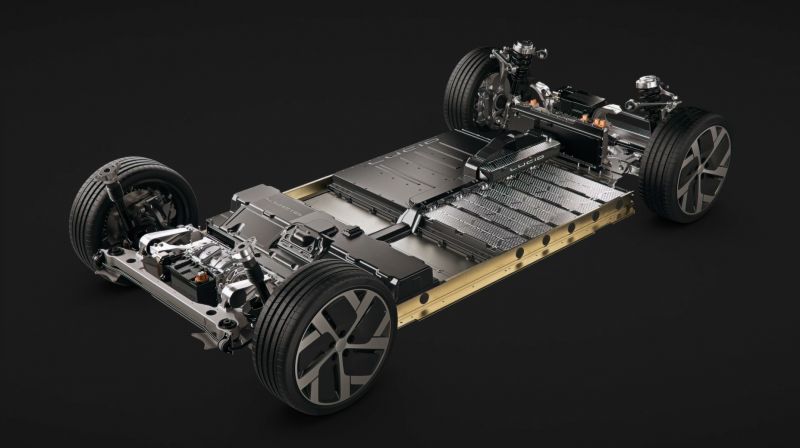
PCM melting process for EV battery pack
Value proposition for the Electric Vehicle and Battery pack manufacturers
- Improved range – By increased useable capacity of the batteries by 25%.
- Enhanced safety – Reduces the instance of a thermal runaway occurring by 4 times. Prolonged exposure to fire PCM-based battery pack delays the chain reaction by 40 minutes as compared to 5 to 10 minutes without PCMs.
- Faster charging – Enables enhanced charging performance.
- Improved battery life – Slows down degradation of the battery, improving the life by 75%.
Global Presence

INDIA
Pluss Advanced Technologies Pvt. Ltd.
NETHERLANDS
Pluss Advanced Technologies B.V.
UNITED STATES
RGEES LLC,
THAILAND
Cannonball Technology Co. Ltd
TURKEY
Eforkim Kimya ic ve Dis Tic Ltd. Sti.
ITALY
FERRO-PLAST Srl | Masterbatches & Additive
interested in our product ?

FAQs
Battery Thermal Management ensures that lithium-ion batteries operate within safe temperature limits. Overheating or thermal runaway can lead to reduced battery life or safety risks. PCM-based systems passively regulate temperature, improving EV efficiency and performance.
Phase Change Materials (PCMs) absorb and release heat during battery charge–discharge cycles. This passive thermal management reduces the need for active cooling, minimizes energy consumption, and extends the usable life of batteries in EVs and energy storage systems.
Active systems use fans or liquid cooling, requiring external power and maintenance. Passive thermal management, enabled by PCMs, controls battery heat naturally—without added energy cost—making it ideal for compact, lightweight battery packs.
PCM absorbs heat when a cell temperature spikes, delaying or preventing thermal runaway from spreading between cells. This containment enhances battery safety, especially in high-energy-density EV and aerospace applications.
PCM thermal solutions are used in electric vehicles, hybrid buses, telecom backup systems, defense, and renewable energy storage. These applications demand reliable, maintenance-free cooling that withstands varying climates and operating conditions.
By maintaining optimal cell temperature, PCM reduces internal resistance and ensures consistent discharge performance. This improves energy efficiency and extends EV driving range, even under rapid acceleration or high ambient heat.
PCM cooling is lightweight, energy-efficient, and silent, eliminating pumps, compressors, and refrigerants. It’s ideal for manufacturers seeking sustainable, maintenance-free battery thermal management systems aligned with next-generation EV design goals.
PLUSS’s Battery Thermal Management Solutions use advanced Phase Change Materials (PCMs) to absorb and release heat during charging and discharging cycles, ensuring consistent cell temperature and preventing thermal runaway. This passive thermal management enhances battery safety, efficiency, and lifespan—delivering lightweight, maintenance-free thermal management systems ideal for EVs, hybrid vehicles, telecom, and renewable energy storage applications.