Innovative thermal energy storage solutions for sustainable heating and cooling.
A phase change material (PCM) is a substance that absorbs or releases a large amount of energy at a nearly constant temperature as it changes phase, for example when it melts or solidifies. Phase change materials use this latent heat to hold a product or a space at the required temperature for extended periods.
Phase Change Materials (PCMs) are one of the most effective and efficient mediums for thermal energy storage (TES), offering a cost-effective, stable, and environmentally friendly solution. Thermal Energy Storage (TES) technology eliminates the dependency on instantaneous electricity for heating or cooling applications. TES is one of the clean technologies which supports and extends the use of other clean technologies such as solar, wind, Distributed Renewable Energy (DRE), electric vehicles etc. This means more control over the end use without relying on electric power for the purpose of heating and cooling from the grid or electric batteries or diesel generators.
Phase Change Materials (PCMs) are one of the most effective mediums of thermal energy storage as they are highly cost effective, stable and environment friendly. PCMs have very wide scope of applications whether it is building construction, cold-chain transportation/storage, solar energy storage, temperature controlled packaging for food, pharmaceuticals etc.
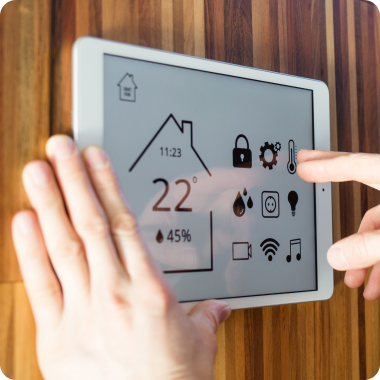
Maintain desired temperature without the need for external source of energy at the time of operation
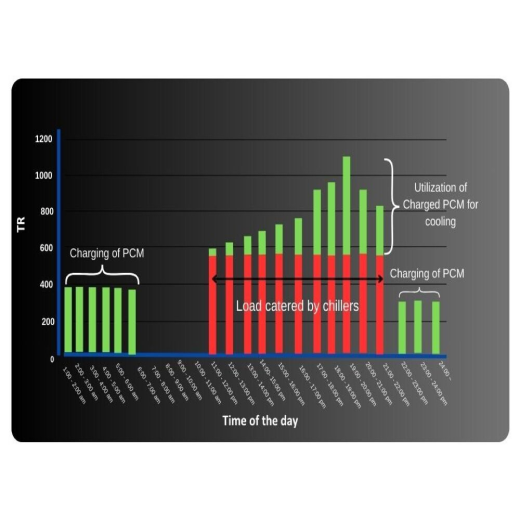
Shift peak power loads to off-peak power hours

Provide back-up

Cooling/Heating without the need for external source of energy at the time of operation.

Shift peak power loads to off-peak power hours.

Provide for a clean back-up medium during contingency.

Effective heat/cool dissipation and thermal management medium.

Extend the use of renewable energy by storage.

Reusability - Reduction of emissions and use of fossil fuels.
Energy stored is Energy earned. savE® is the complete range of Phase Change Materials developed by PLUSS to meet the ever increasing energy needs in the field of cooling and heating without relying on electric power from the grid or electric batteries or diesel generators. “savE®= SAVE ENERGY”.
savE® PCMs Product Range and Data Sheets
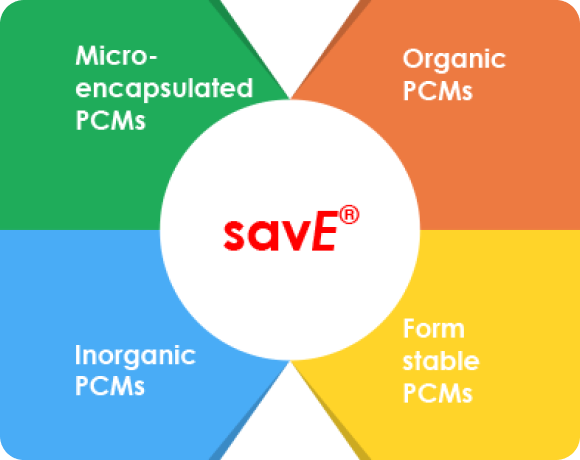
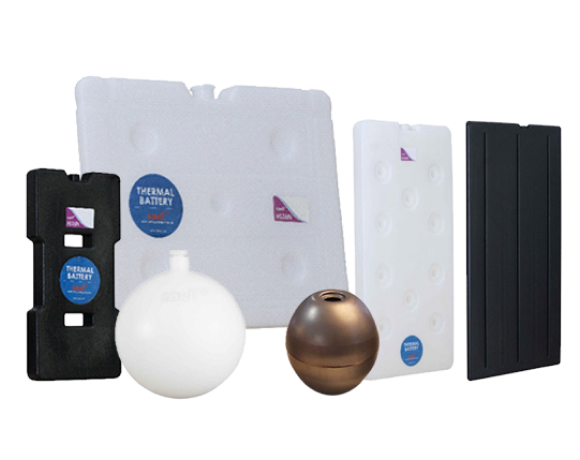
We offer a wide range of standard high-performance encapsulations and capability to develop customized solution as per the requirement of the customer.
PLUSS applies savE® phase change materials in products and engineered solutions across cold chain, buildings and batteries.
HimaCool® stores cooling in PCM-based thermal energy storage during sunshine hours and uses it to hold the cold room temperature after sunset. See solar cold storage with PCM thermal storage.
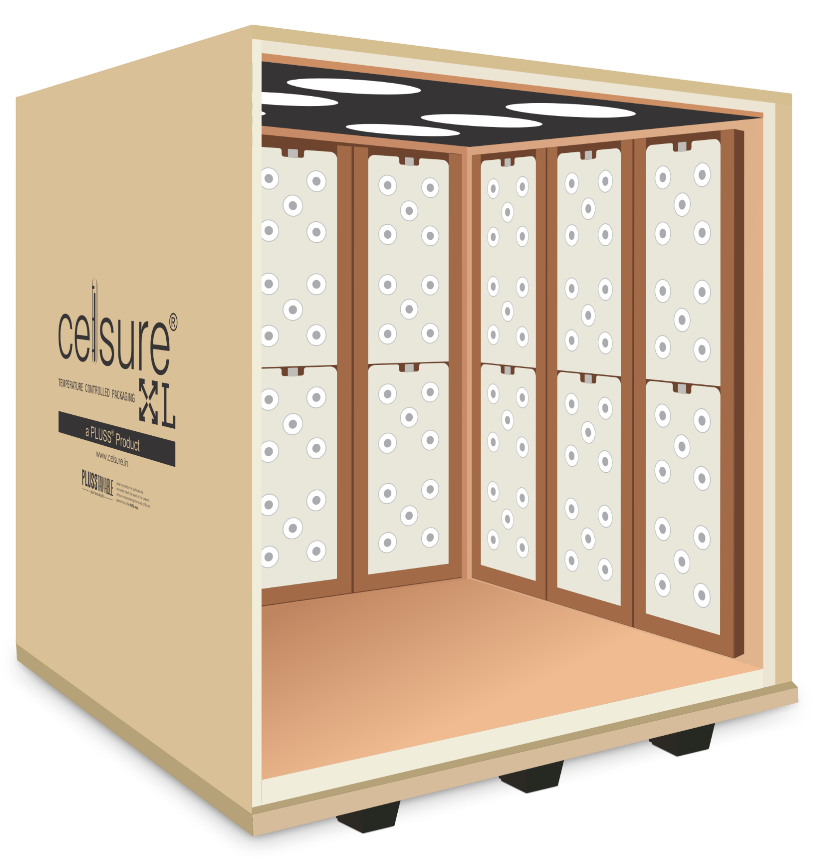
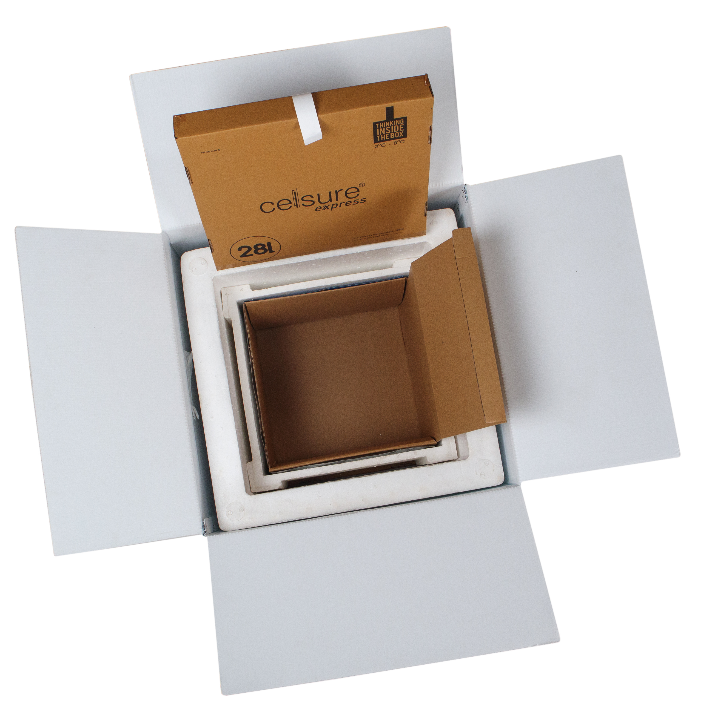
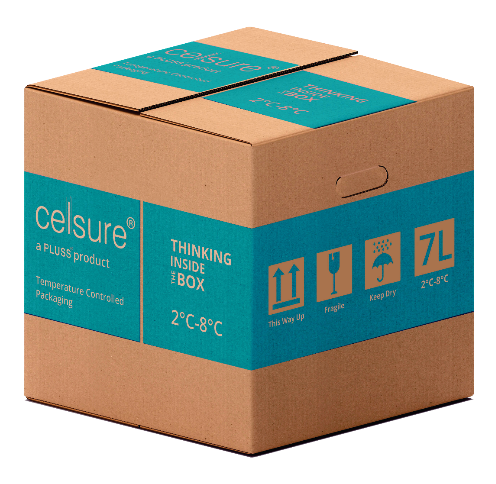
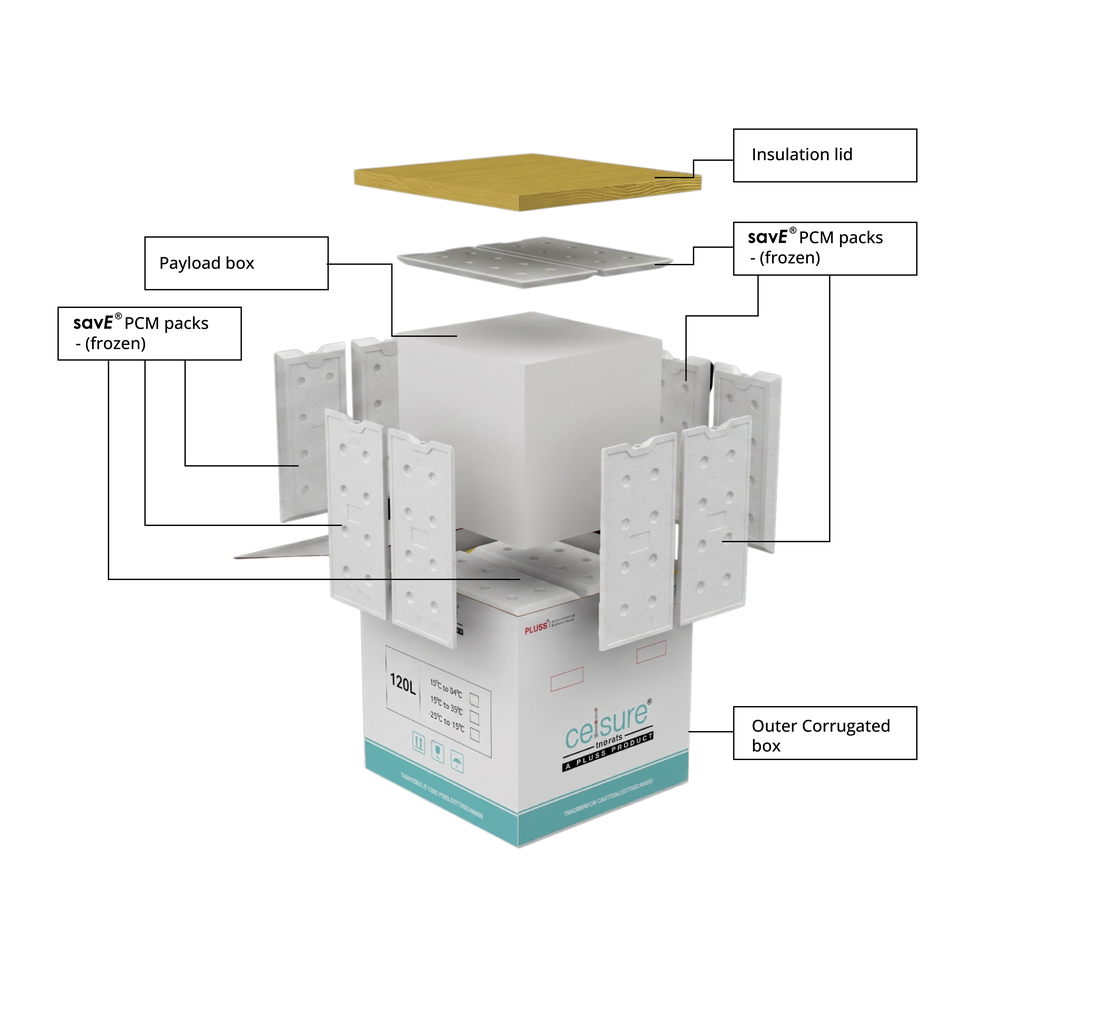
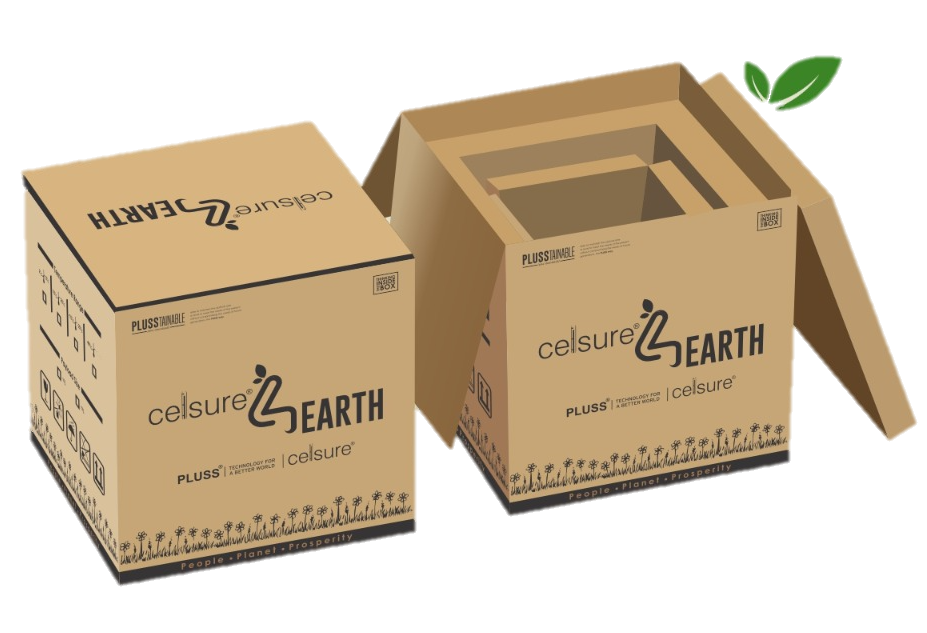
Celsure® shippers use PCMs to keep vaccines, biologics and other temperature-sensitive products within 2°C to 8°C, 15°C to 25°C or -25°C to -15°C in transit. See PCM-based pharmaceutical temperature-controlled packaging.
PCMs absorb and store the heat given off by lithium-ion cells at a designed temperature and regenerate when the surroundings cool. See PCM battery thermal management systems.
PCMs inside a building, or in a chilled-water thermal storage tank, absorb surplus cooling in off-peak periods and release it at peak demand. See phase change materials for passive building cooling.
Compare phase change temperatures and latent heat in the savE® PCM data sheets.
PLUSS Advanced Technologies is an Indian materials research and manufacturing company in the field of phase change materials, headquartered in Gurugram, Haryana. PLUSS began developing PCM technology in 2007 and inaugurated a dedicated PCM factory at Bawal, Haryana in 2021.
PCMs allow thermal energy to be stored during off-peak hours—when electricity is cheaper—and used during peak demand, when energy costs are higher. This load shifting capability significantly reduces electricity bills in cooling and heating systems. Additionally, PCMs can replace fossil fuel-based systems like diesel generators in backup applications, leading to lower operating costs and reduced carbon emissions.
PCMs can be engineered to store and release thermal energy at precise temperatures (e.g., +3°C or +5°C), making them ideal for maintaining strict temperature compliance in pharmaceutical and food logistics. Unlike conventional ice packs, which risk freezing the product and require deep freezing at -20°C, PCMs designed precisely for +3 deg celsius and +5 deg celsius ( savE®OM03 and savE®OM05 respectively) provide controlled cooling within the required range (2–8°C) and can be conditioned at higher temperatures (e.g., -10°C), resulting in energy efficiency and improved payload protection.
PCMs are used to enhance the performance of solar-powered cold rooms, enabling 24/7 cooling even without grid power. In cold chain logistics, reefer trucks and micro cold rooms are increasingly integrating PCM systems to reduce reliance on diesel or fully electrify the cooling system. Compared to Li-ion batteries, TES systems offer at least 5x the lifecycle (over 5,000 cycles) and are 3x more cost-effective (as low as ₹4,000 per kWh of thermal storage). This makes PCMs a commercially viable and sustainable alternative in both Indian and international markets.
Absolutely. PCMs are highly effective in reducing the heating and cooling loads in buildings. In centralized HVAC systems, PCMs offer thermal demand flexibility, which helps downsize chiller capacity and reduces energy costs. For passive cooling strategies, PCMs with melting points around +22°C(savE® HS22) are integrated into building interiors, allowing them to absorb heat during the day and release it at night when ambient temperatures drop. This passive thermal regulation is especially effective in climates with high day-night temperature variations.
Yes, PCMs are non-toxic, non-flammable, and chemically stable under normal operating conditions. Many PCMs are derived from bio-based or salt hydrate materials, making them a sustainable alternative to traditional cooling or heating systems. Their long operational life (often over 20 years) and compatibility with renewable energy sources further contribute to reducing carbon footprints and promoting eco-friendly energy solutions.
Start from the temperature you need to hold. A PCM stores and releases energy at its phase change temperature, so that temperature should sit at or close to your target. For example, savE® OM03 and OM05-P change phase at about 3°C and 5°C and are used for 2°C to 8°C cold chain packaging, while savE® HS22 at about 22°C is used inside buildings. The savE® data sheets list the phase change temperature of every grade.
Latent heat is the energy a PCM absorbs or releases per kilogram while it changes phase. It is stated in kJ/kg on each data sheet. A higher latent heat stores more energy in the same mass of material, so less PCM is needed for the same duty. Compare it together with the phase change temperature, the density and the encapsulation you plan to use.
A PCM has to melt and freeze many times in service, so it should keep its phase change temperature and stored heat over repeated cycles. PLUSS uses T-history tests to determine phase transition and stored heat, together with thermal stability, cycling stability and ageing tests. The number of cycles tested is stated on the data sheet of each grade.
PLUSS offers HDPE panels and blow-moulded containers, HDPE spheres, stainless steel spheres for applications above 40°C and multilayer pouches, and can develop a customised encapsulation for your product. Sizes and PCM capacities are listed in the PCM Encapsulations document available on this page.
It depends on the temperature to be held, how heat is exchanged and the space available. As a guide, cold chain packaging and cold rooms use sub-zero and 2°C to 8°C grades, buildings use grades near room temperature, and lithium-ion battery packs commonly use grades between 35°C and 50°C. Share your application with the PLUSS team for a recommendation.
PLUSS Advanced Technologies actively pursues strategic collaborations to use its PCMs and extensive knowledge about its applications, to work with you, to improve/expand your product portfolio.


Celsure® Temperature Controlled Packaging
Pluss Advanced Technologies
B-205, Pioneer Urban Square, Sector – 62, Gurugram – 122101, (Haryana), INDIA
+91-124-4309490/91/92
info@pluss.co.in
CIN No:U74899TN1993PLC161495

© 2025. All Rights Reserved.
 ×