
In the food industry, temperature regulation is crucial for maintaining product quality, shelf life, and safety. With increasing concerns about energy consumption and environmental impact, businesses are seeking innovative ways to meet these challenges.
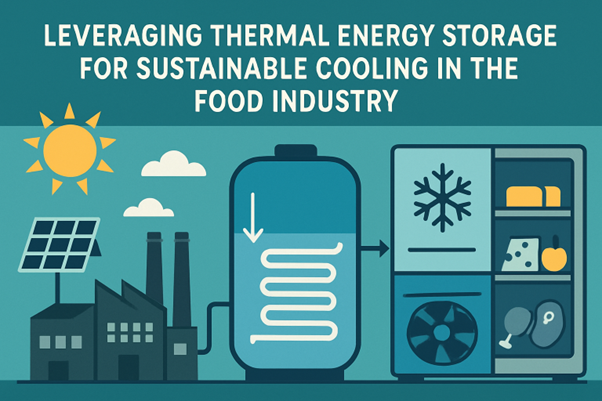
Thermal energy storage (TES) offers a sustainable and efficient solution, particularly in applications such as cold storage, cold chain logistics, and food transportation. By using phase change materials (PCMs), TES systems can significantly reduce energy costs while ensuring precise temperature control. In this blog, we’ll explore how leveraging TES can transform cooling systems in the food industry, making them more energy-efficient and eco-friendly.
What is Thermal Energy Storage (TES)?
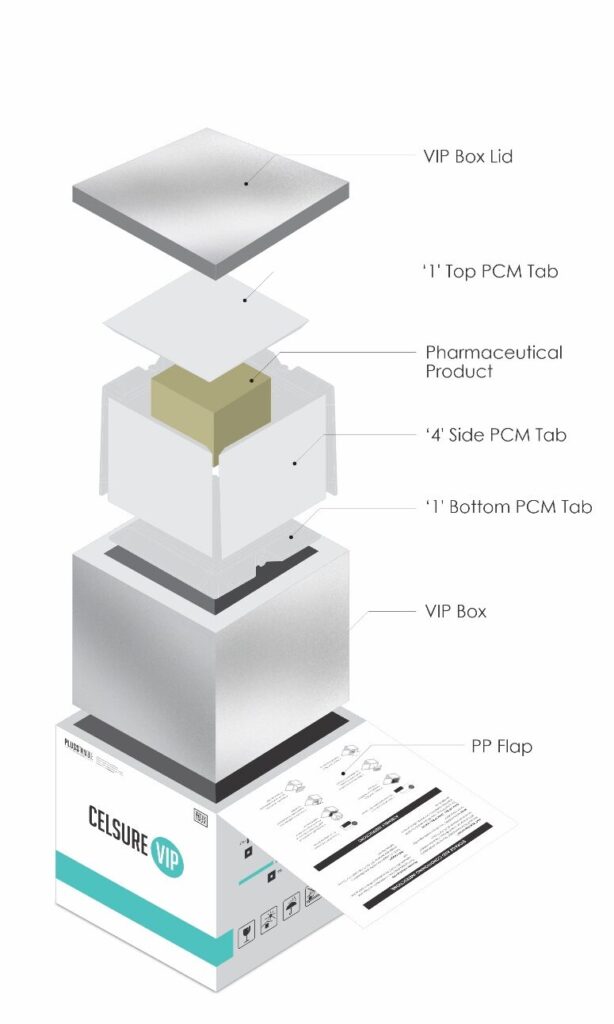
Thermal energy storage refers to the technology that stores thermal energy for later use. It works by using materials that can absorb and release heat during phase transitions, such as when a material changes from solid to liquid. Phase change materials (PCMs) are at the core of TES systems, allowing energy to be stored in the form of latent heat. These materials absorb heat when they melt and release it when they solidify, providing a sustainable way to regulate temperatures.
TES systems are particularly beneficial in industries that require consistent and reliable cooling, such as the food industry, where maintaining proper temperatures is essential for both quality and safety.
The Role of Thermal Energy Storage in the Food Industry
1.Cold Storage Solutions:
 Cold storage facilities are fundamental to the food industry. Keeping food at the right temperature is critical to preserving its quality and preventing spoilage. However, refrigeration systems are energy-intensive and increased demand would lead to a substantial impact on energy demand, leading to high electricity costs, particularly during peak demand hours. By integrating thermal energy storage, these systems can be made more efficient.
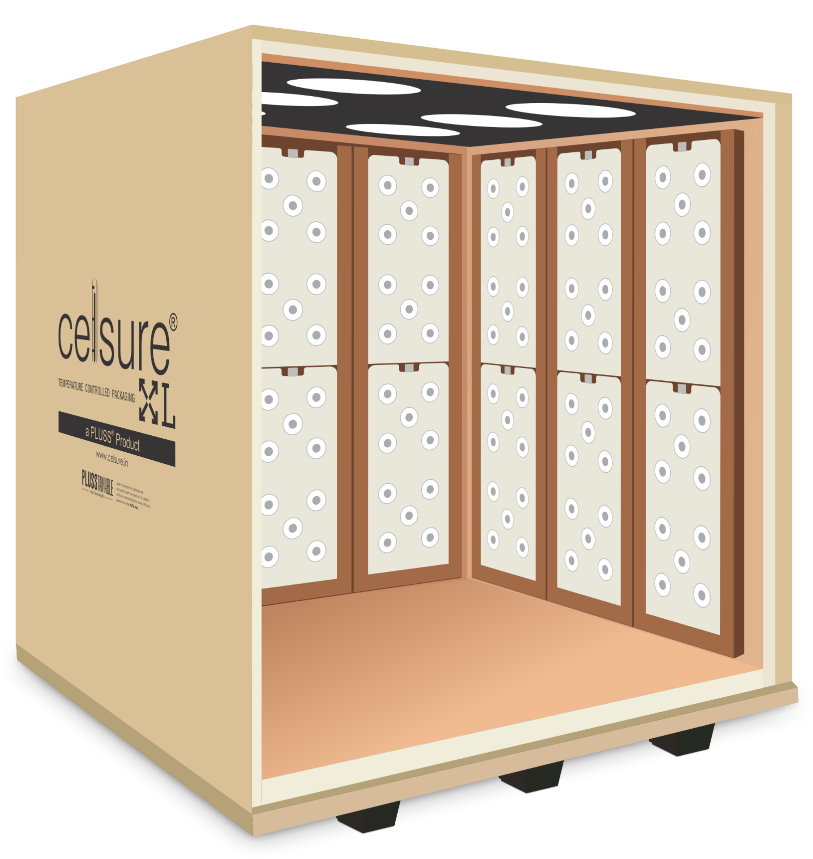
PCM-based TES systems allow cold storage facilities to absorb thermal energy which acts as a buffer during the day when operations demand movement of materials. Much heat ingress and thermal loss happens during this stage and Phase Change Materials absorb this heat ensuring stability in indoor temperature and therefore not burdening the refrigeration unit to constantly ramp up and down.
Benefits of TES in cold storage:
- Reduces energy consumption during peak demand.
- Decreases operational costs by shifting energy demand.
- Improves temperature stability inside storage units.
- Reduces the need for backup systems like diesel generators
2. Cold Chain transportation:
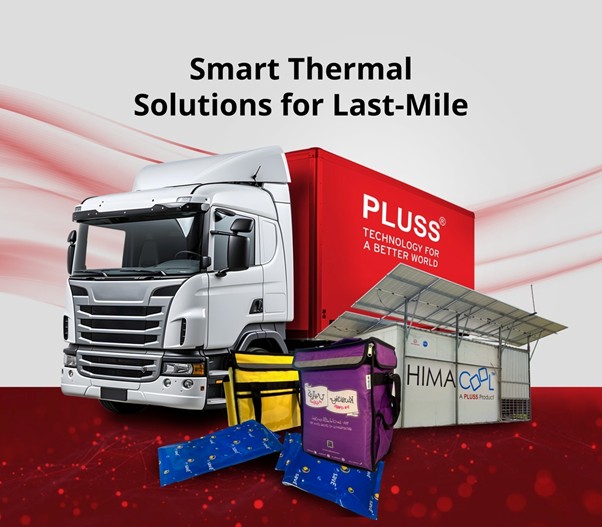 In cold chain logistics, maintaining the temperature of products as they move through the supply chain is vital. From farms to consumers, the temperature-controlled transport of perishable items like fruits, vegetables, and meats relies on constant refrigeration.
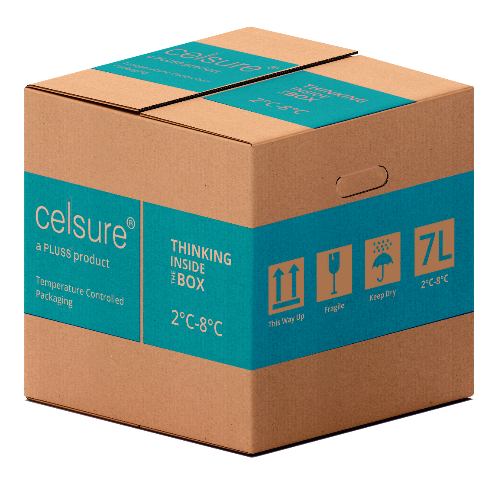
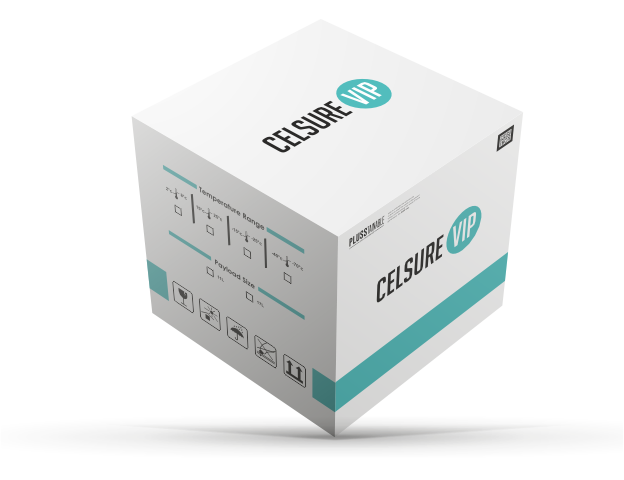
Thermal energy storage plays a key role in reducing energy consumption in cold chain logistics. By incorporating TES systems into transportation fleets, food distributors, and warehouses, companies can store cooling energy in PCMs and use it when needed. This helps to lower the reliance on traditional refrigeration units and reduces carbon emissions, contributing to a greener supply chain. PCMs offer the option to ship part loads at different temperatures as PCMs can be chosen based on the requirement of the fruits & vegetable or Dairy products.
Challenges in the Food Industry and How TES Solves Them
| Challenges | TES Solutions | |
| High Energy Costs | PCM-based TES reduces energy costs by storing energy during off-peak hours. | |
| Temperature Instability in Cold Storage | TES maintains consistent temperatures, preventing spoilage and food waste. | |
| Reliance on Diesel for Backup Power | TES eliminates the need for diesel generators, reducing operational costs. | |
| Carbon Emissions from Refrigeration | Sustainable TES solutions help reduce carbon footprints in food operations. |
Advantages of Thermal Energy Storage for the Food Industry
- Sustainability By reducing the reliance on traditional energy sources and backup generators, thermal energy storage reduces the carbon footprint of food industry operations. TES systems provide a sustainable way to store and use energy, helping businesses align with green initiatives and environmental regulations.
- Cost-Effectiveness Thermal energy storage can help companies reduce their energy bills by shifting energy use to off-peak hours when electricity costs are lower. It also extends the life cycle of cooling equipment and reduces the need for costly upgrades.
- Better Temperature Control TES systems ensure precise temperature control, which is essential for maintaining food quality and preventing spoilage. By maintaining a consistent temperature, businesses can reduce food waste and improve the overall shelf life of products.
- Scalability TES systems can be customized for different scales, from small cold storage units to large industrial facilities. The flexibility of TES technology makes it an ideal solution for businesses of all sizes in the food industry.
Thermal energy storage is transforming the way the food industry handles cooling and temperature regulation. By incorporating phase change materials into cold storage, transportation, and food processing systems, companies can not only cut costs but also reduce their environmental impact. The flexibility and sustainability of TES make it an ideal solution for businesses aiming to improve energy efficiency and achieve long-term sustainability goals.
Contact Pluss for Sustainable Thermal Energy Storage Solutions
For businesses looking to implement thermal energy storage in their operations, Pluss offers cutting-edge solutions using phase change materials. Contact Pluss to learn how our TES technology can help you reduce energy costs, improve food safety, and contribute to a more sustainable future.
Visit pluss.co.in for more details or get in touch with our team to discuss your requirements.